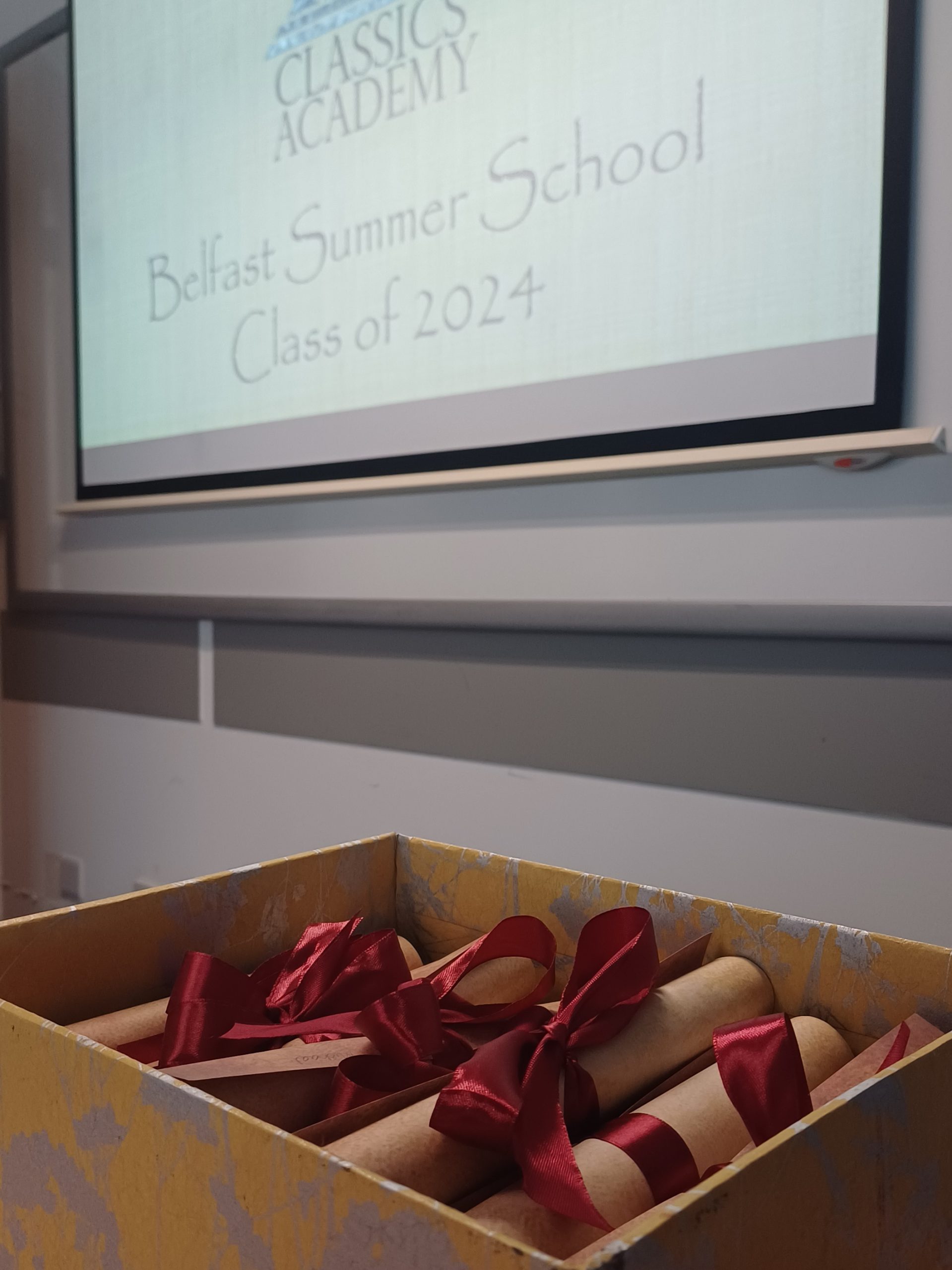
Description
The 11th Belfast Summer School in Ancient Languages will take place in July/August 2026.
The in-person summer school will be at Bloomfield Collegiate School, Belfast, from Monday 20th July until Friday 24th July, and classes will be available in Latin and Classical Greek at all levels. We welcome students from the age of 14, however, those aged under 18 are required to be accompanied by an adult chaperone at the in-person summer school.
The draft programme can be viewed here.
BELFAST SUMMER SCHOOL ONLINE GUEST LECTURE SERIES
Accompanying the summer school will be a series of online guest lectures which are open to everyone. This page will be updated as the guest speakers are announced. Registered students will receive the Zoom links for all guest lectures. These are free and open to the general public; Zoom links will also be shared via the Classics Academy mailing list.
FEES
Summer School fees are as follows: two week virtual course: £165; one week virtual course: £95, and one week in-person course: £190. Accommodation and meals are not included in the in-person fee.
It is not necessary to purchase textbooks for the Summer School. All notes and worksheets will be provided.
Have a question? Click here for frequently asked questions about the Summer School.
Click here to watch the 2023 Summer School highlights.
Classes will proceed subject to a minimum number of enrolments.
Cancellation policy: participants will receive a full refund if they cancel their registration more than two weeks before the class begins. Students will receive 50% refund if they cancel their registration 8-14 days before the class begins.
Scroll down for a detailed list of classes.
ONLINE AND IN-PERSON SUMMER SCHOOL
Latin for beginners: In this course you will start from the beginning, learning about how Latin forms its basic tenses (e.g. Present, Imperfect) and how its nouns and adjectives look when used in different parts of a sentence. By the end of the course you will be familiar with case usage, tenses, and be able to translate a good range of basic sentences, including basic sentences in both adapted and original Latin.
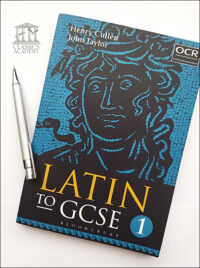
Post-beginners Latin: This course is for students who already have the basics of Latin. You will be expected to understand what the different cases are, and at least one or two of the noun declensions. You will also be expected to understand at least the Present Tense Active forms of verbs. From there, we will introduce the other noun declensions, as well as the other Active tenses, finally touching on the Passive voice and participles. We will tackle practice sentences and passages throughout the course, and finally attempt unseen passages of original, unadapted Latin. These will be taken from a range of sources, but we will attempt both prose and poetry from the ancient world. Grammar covered in the two-week online course comprises that contained in Latin to GCSE by John Taylor, chapters 4-7.
Intermediate Latin: This course is for students who are familiar with all of the declensions and both the Active and Passive voices of all the verb tenses, as well as participles. We will cover more advanced grammar, for example, the Subjunctive mood and the different types of clauses (temporal, conditional, purpose, result), along with indirect statements and questions, before tackling a more advanced passage of Latin. The aim here is to consolidate your existing knowledge, building on material you covered in previous summer schools, or indeed previous Latin experience from school, university, or your own personal learning. This course will set you up well for tackling unadapted Latin texts on your own, with the help of a dictionary. Grammar covered in the two-week online course comprises that contained in Latin to GCSE by John Taylor, chapters 7-10.
Advanced Latin: Students will deal with completely unadapted and original Latin texts. A relatively advanced knowledge of Latin vocabulary and grammar will be required for this class. Students will undertake independent translation under the guidance of their instructor, who will offer explanation of the more advanced grammatical concepts you will encounter. Texts will be confirmed asap.
Classical Greek for beginners: no previous knowledge of Greek is necessary for this course. Students are asked to learn the Greek alphabet before commencing the course, and instructions and a worksheet will be provided. We will learn about how verbs are formed, and about noun declensions. By the end of the course you will be able to translate basic sentences.
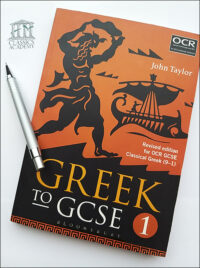
Post-beginners Classical Greek: This class is for those who already know some ancient Greek. You are expected to understand the present tense active forms, first and second declension nouns and prepositions. We will continue with future, imperfect and aorist tenses, third declension nouns, participles, and the passive voice. Students will translate from Greek to English, and English to Greek, and by the end of the course, we will read some adapted ancient Greek. Grammar covered in the two-week online course comprises that contained in Greek to GCSE by John Taylor, chapters 4-7.
Intermediate Classical Greek: This class is for students who are familiar with Imperfect, Future and Aorist tenses, Active and Middle voices. We will cover more advanced grammar such as the Subjunctive and Optative mood and their uses; the Passive voice, and subordinate clauses such as indirect statements and purpose clauses. We will read adapted and original texts during the course. By the end of this course, students should be able to attempt translation of unadapted texts with the aid of a dictionary. Grammar covered in the two-week online course comprises that contained in Greek to GCSE by John Taylor, chapters 8-11.
Advanced Classical Greek: In this course, students will translate unadapted Greek texts under the guidance of their instructor, who will provide explanations of grammar and vocabulary as necessary. A reasonable grasp of the material covered in the Intermediate Classical Greek class will be necessary for students attending this class. Texts to be read will be confirmed asap.
ONLINE ONLY
Classical Civilisation and Literature courses: details coming soon!